Can AI Sense Your Mental Load? EEG Signals in Real Conversations
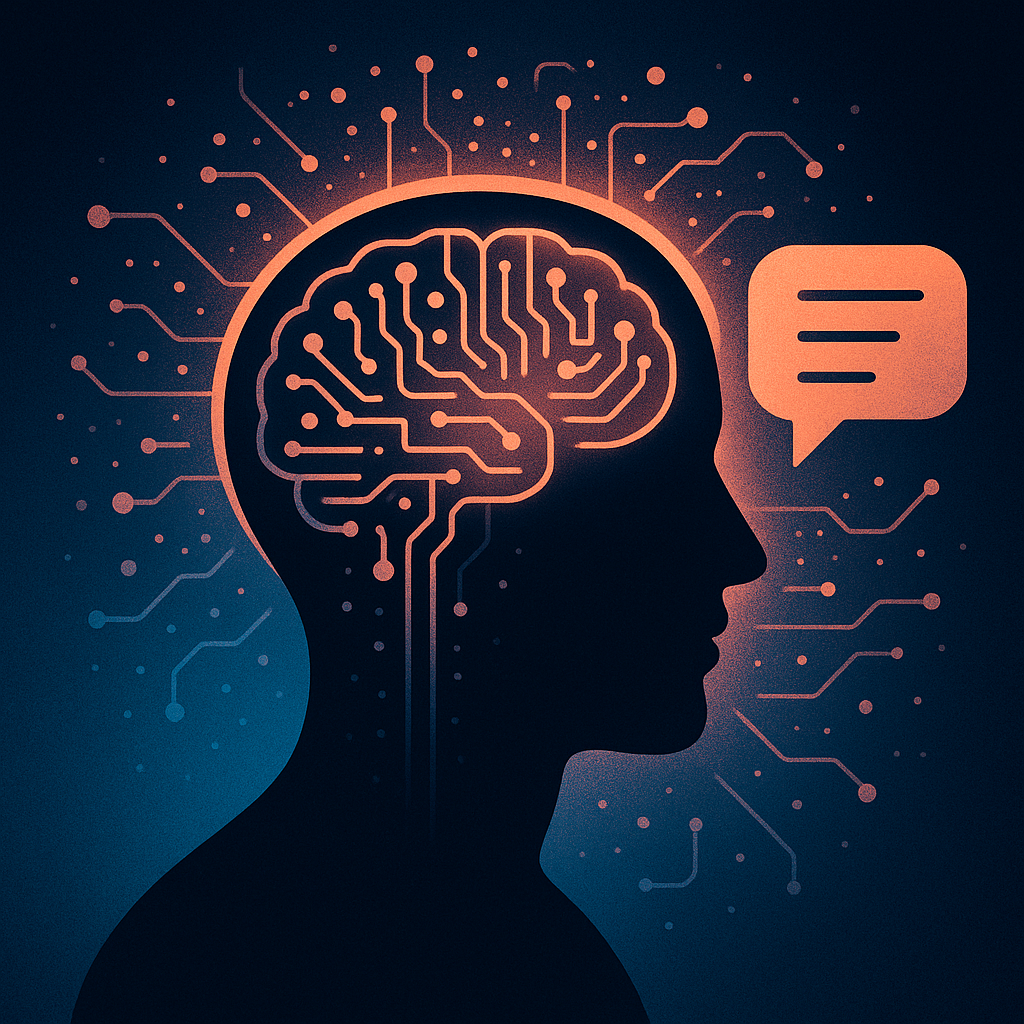
What if your AI could sense when a chat feels hard—or when you silently agree? This pilot study tests whether EEG signals can reveal mental workload and implicit agreement during spoken conversation with a conversational AI.
Researchers reused established EEG classifiers in two voice-based tasks: a Spelling Bee and a sentence-completion game. They built an end-to-end pipeline to transcribe speech, label word-level events, and align them with continuous EEG outputs.
- Workload: showed interpretable trends during live dialogue, suggesting some cross-task transfer.
- Agreement: could be tracked continuously and aligned to specific words, but showed limits from construct transfer and timing mismatches when applying event-based models asynchronously.
Takeaway: It’s feasible—though not plug-and-play—to use passive brain signals to help conversational AIs sense user state. Future systems might adapt pacing or explanations when mental load rises, while researchers refine how agreement is defined and detected in the wild.
Paper: Decoding Workload and Agreement From EEG During Spoken Dialogue With Conversational AI — https://arxiv.org/abs/2601.05825v1
Paper: https://arxiv.org/abs/2601.05825v1
Register: https://www.AiFeta.com
EEG BCI ConversationalAI HCI Neuroscience AI UX Research