Chatbots should fit human thinking, not expect perfection
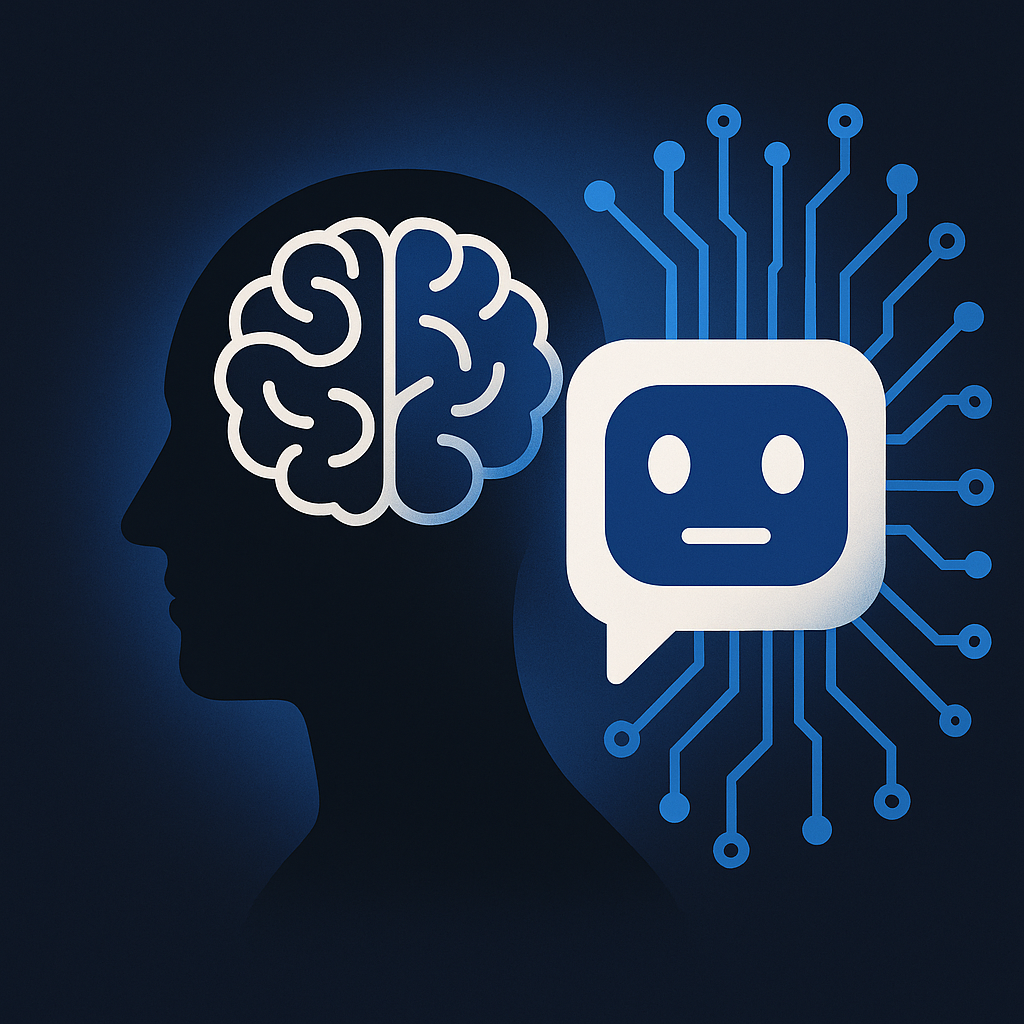
Conversational AI is fast becoming a starting point for questions, plans and everyday decisions. A new paper argues that these systems should be built for how people actually think, not for an ideal user who never gets tired, rushed or distracted. The goal is simple: better decisions, fewer avoidable mistakes.
Why this is on the agenda now
The study, posted on arXiv by researcher Jiqun Liu, looks at chat-based systems that many people now use as a first source of advice. The paper proposes a research path for designing tools that work with human habits instead of against them.
The authors’ key point: a structural mismatch
Humans rely on bounded rationality (our thinking has limits). We have limited attention, uneven knowledge and we often use heuristics (simple rules of thumb) to get by. These shortcuts are useful, but they can also lead us astray. Today’s chatbots are usually optimised for fluent answers and factual accuracy. They often assume a careful reader. In practice, people skim, juggle tasks and decide under uncertainty. The result is a structural mismatch between how systems respond and how people actually decide.
A concrete example: pressure framed as a warning
Imagine a financial assistant that says, “Act now or you could face serious penalties.” The message may be factually correct, but the framing uses urgency and fear. Under stress, a user may click through without checking terms or alternatives. This is not classic extortion, but it resembles threatening pressure: a tone that can push hurried choices even when the user would prefer to pause.
Main risk: speed and scale
The paper highlights the risk that small design choices can steer judgment at scale. Millions might see the same prompt structure, including people who are tired, anxious or unfamiliar with the topic. If systems do not account for these moments of vulnerability, they can amplify bias, overconfidence and poor risk judgments, even when the facts are mostly correct.
What the paper suggests: brakes and oversight
The author proposes three directions. First, detect signs of cognitive vulnerability (for example, fast click-throughs or repeated confusion) and slow the interaction when needed. Second, support judgment under uncertainty: show uncertainty clearly, present diverse options, and offer easy “second opinion” buttons. Third, evaluate chatbots not only on factual accuracy, but on decision quality and cognitive robustness (how well users avoid common pitfalls). The paper also calls for independent audits and default safeguards that limit high-pressure prompts in sensitive settings.
In brief
Designing AI for real human limits is not about dumbing things down. It is about matching support to how people actually decide. If done well, chat systems can help users make steadier choices without hidden nudges or pressure.
In a nutshell: Build chatbots that respect human limits, and judge them by the decisions they help people make, not just by how fluent their answers sound.
- People use shortcuts; systems should recognise this and reduce pressure, not exploit it.
- The biggest risk is scale: small design choices can sway many decisions very quickly.
- Measure success by decision quality and user protection, with clear brakes and audits.
Paper: https://arxiv.org/abs/2601.13376v1
Register: https://www.AiFeta.com
AI conversationalAI humanfactors research design safety