Navigating Ethical AI Challenges in the Industrial Sector: Balancing Innovation and Responsibility
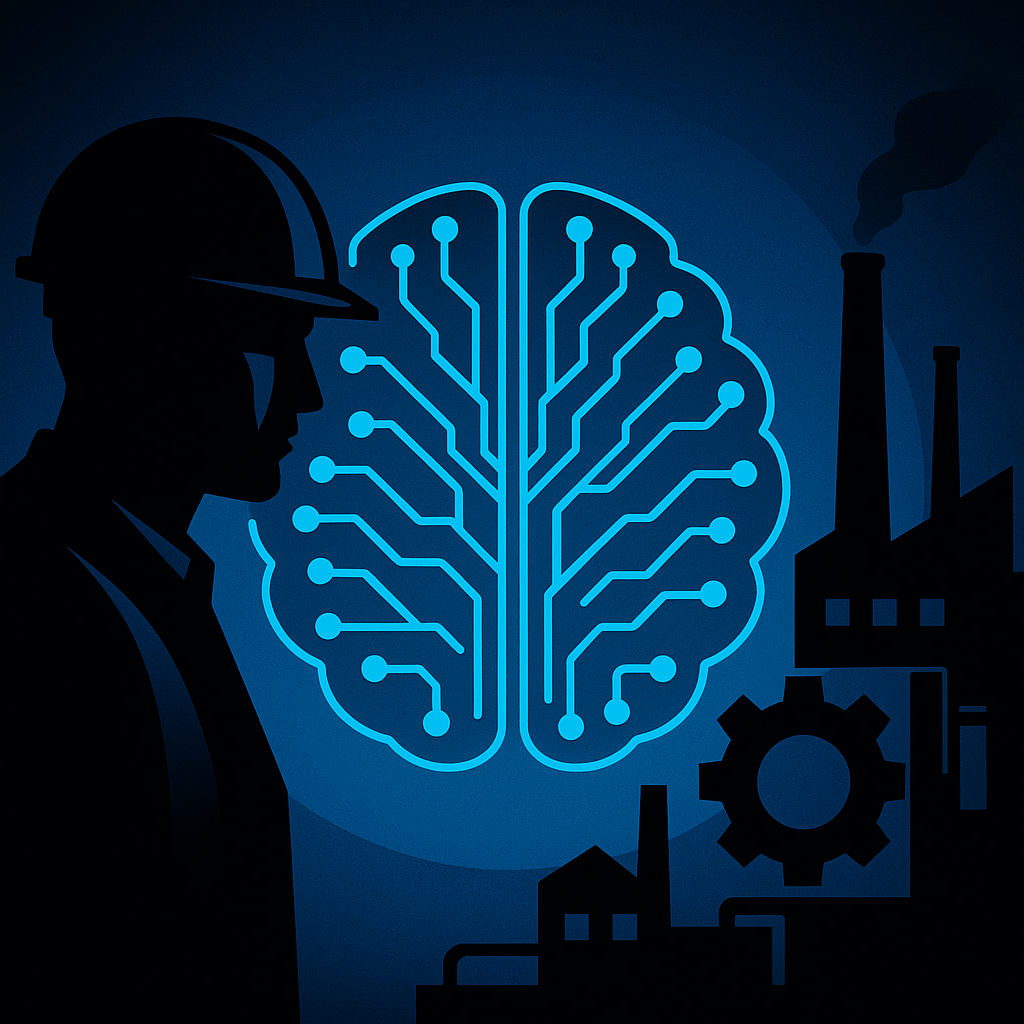
AI is turbocharging factories, supply chains, and maintenance—but it also widens the ethical playing field. This chapter maps where industrial AI meets ethics: transparency, accountability, fairness, data sharing, and responsible R&D. Core message: building ethics into systems from day one accelerates innovation and trust.
Ethics isn’t a brake on AI—it’s the steering wheel.
- Design for transparency: use explainable models, clear documentation, and traceable decisions.
- Make accountability explicit: name owners, keep audit trails, and plan incident response.
- Test and monitor fairness: check data and outcomes for bias, continuously.
- Govern data: manage consent, provenance, and secure sharing with partners.
- Keep humans in the loop: prioritize worker safety, oversight, and override mechanisms.
- Measure broader impact: beyond KPIs, assess effects on workers, environment, and communities.
By embedding these practices into research and development, industrial AI can deliver safer, more inclusive innovation and stronger stakeholder trust.
By Ruomu Tan and Martin W. Hoffmann. Read more: https://arxiv.org/abs/2601.09351v1
Paper: https://arxiv.org/abs/2601.09351v1
Register: https://www.AiFeta.com
AI Ethics Industry ResponsibleAI Transparency Accountability Fairness DataGovernance Trust