Quantum Masked Autoencoders: Filling in the Blanks on Quantum Hardware
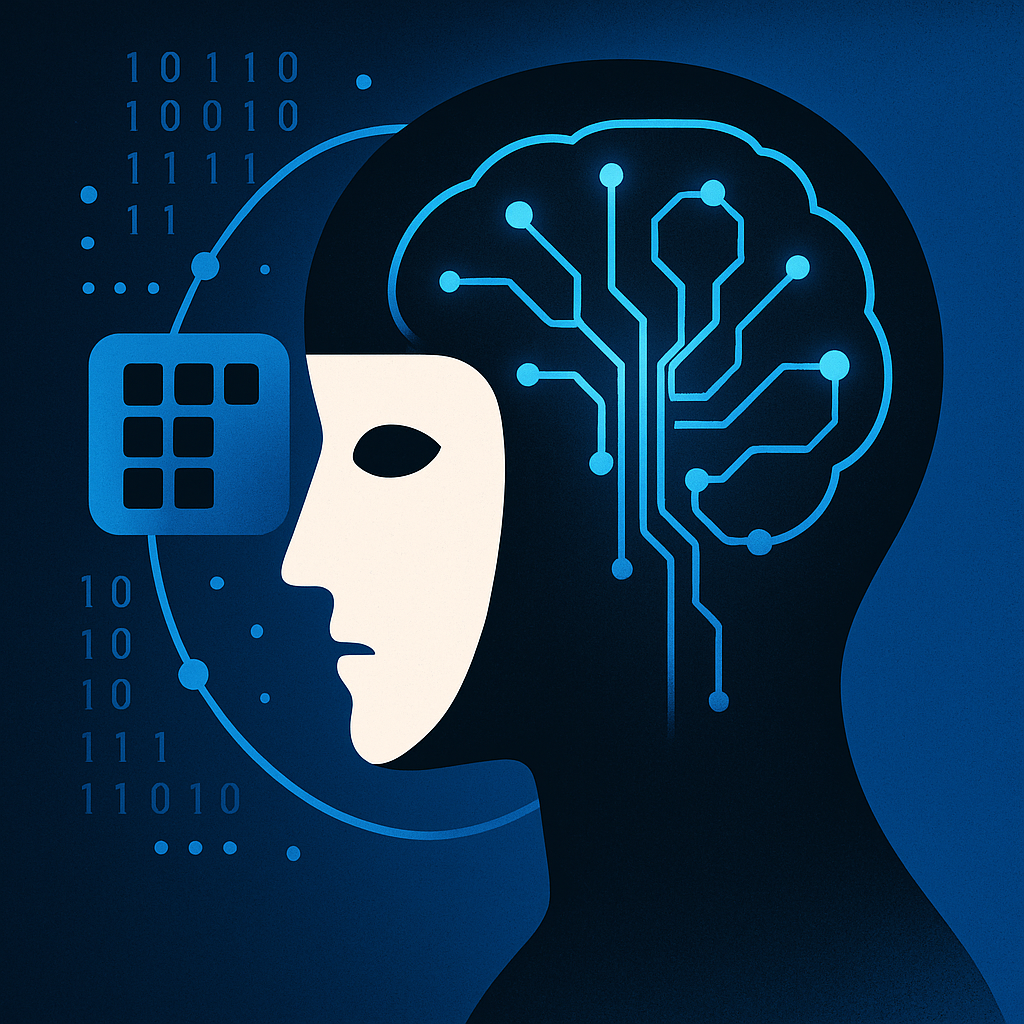
Quantum AIs that fill in the blanks
Masked autoencoders help AI learn from images with missing pieces. This paper brings that idea to quantum computing with Quantum Masked Autoencoders (QMAEs)—models that learn and reconstruct missing features directly within quantum states, not just classical embeddings.
- How it works: parts of an image are masked; a quantum encoder-decoder learns to recover them, improving the full image reconstruction.
- Why it matters: more robust quantum vision models could make better use of limited, noisy quantum hardware.
- Results: on MNIST digits, QMAE rebuilt masked images with clearer visual quality and achieved, on average, 12.86% higher classification accuracy than state-of-the-art quantum autoencoders when masks were present.
Authors: Emma Andrews, Prabhat Mishra. Categories: quant-ph, cs.AI, cs.LG. Paper: https://arxiv.org/abs/2511.17372v1
Paper: https://arxiv.org/abs/2511.17372v1
Register: https://www.AiFeta.com
#QuantumComputing #AI #MachineLearning #ComputerVision #Autoencoders #QuantumAI #MNIST #Research