
Robots That Know When They’re Unsure
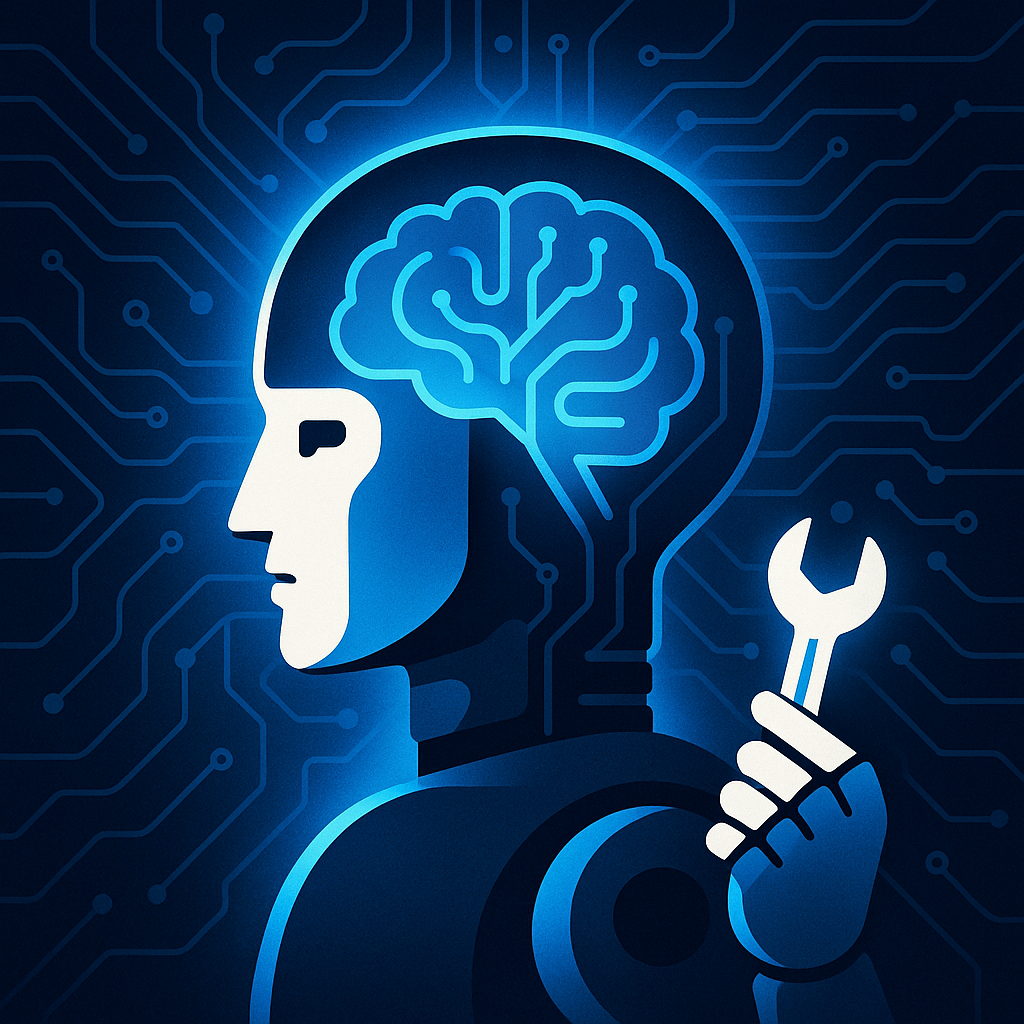
What if robots could reflect on their own decisions—like asking, "How sure am I?"
A new study proposes a metacognition architecture that lets robots estimate confidence in their choices and use it to guide action. Inspired by neuroscience, the system monitors embodied actions in real time and adjusts behavior—slowing down, seeking alternatives, or allocating more resources when confidence is low.
The team demonstrates this on autonomous tool invention: when facing a task that needs a tool, the robot evaluates how reliable its plan is and adapts, leading to more robust behavior in messy, real-world settings.
- Why it matters: Confidence-aware robots can avoid brittle decisions and recover better from uncertainty.
- What’s new: Treating confidence as a second-order judgment layered on top of ordinary decision making.
- Where next: Safer deployment, adaptive industrial automation, assistive robots, and on-the-fly learning.
Paper: "Robot Metacognition: Decision Making with Confidence for Tool Invention" — arxiv.org/abs/2511.16390v1
Paper: https://arxiv.org/abs/2511.16390v1
Register: https://www.AiFeta.com
#Robotics #AI #Metacognition #EmbodiedAI #AutonomousRobots #ToolInvention #AIResearch #ArXiv