Smarter, lighter brain‑computer interfaces—no re-training needed
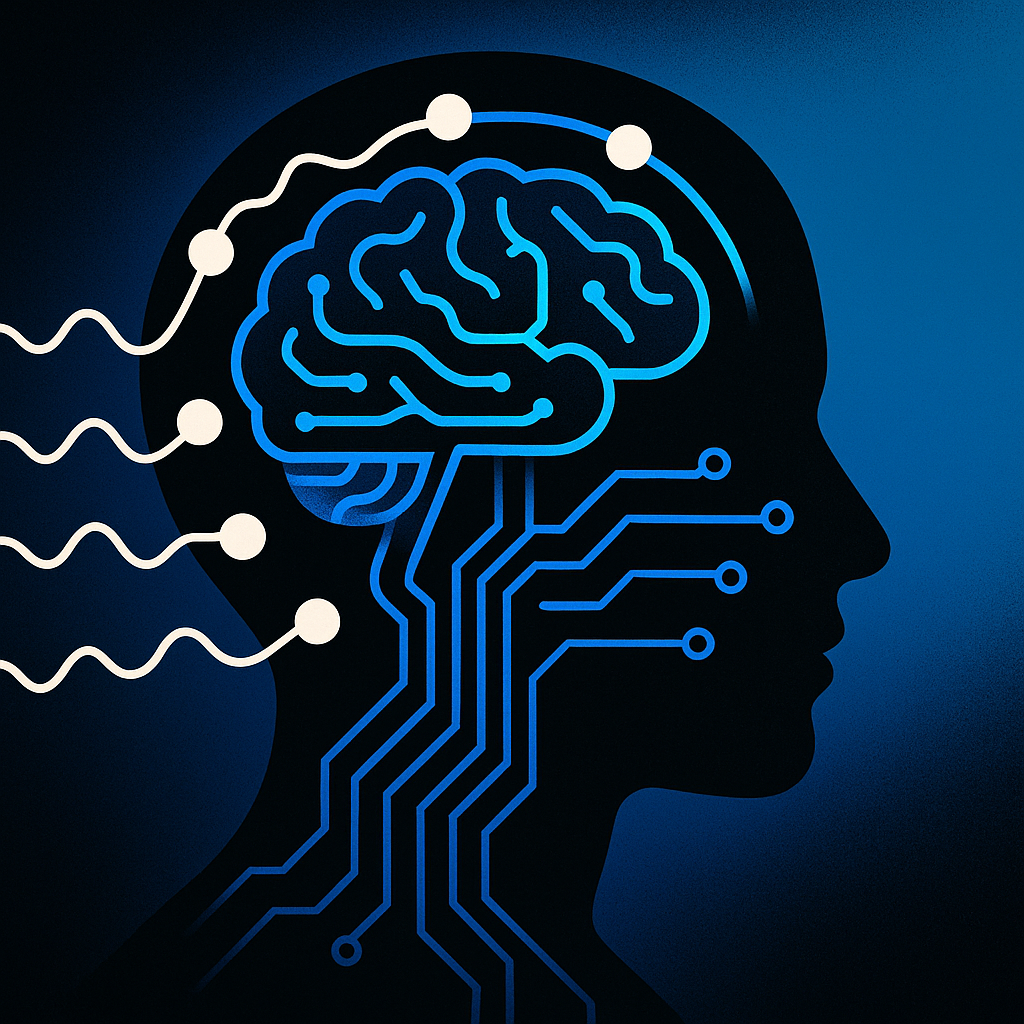
EEG-based brain–computer interfaces often stumble in the real world: every person’s brain signals look different, and conditions change from moment to moment. A new approach called Backpropagation-Free Transformations (BFT) helps BCIs adapt on the fly—without costly re-training, extra data, or exposing private signals.
How it works
- For each new EEG trial, BFT creates multiple “what-if” views using smart transformations and lightweight probabilistic tweaks.
- A learning-to-rank module weighs these views and fuses them into one confident prediction, reducing noise and uncertainty.
- No backpropagation at test time means lower compute, faster response, and better privacy on edge devices.
Tested across five datasets (including motor imagery and driver drowsiness), BFT proved effective, robust to noisy streams, and versatile—pointing to plug-and-play BCIs on wearables and other resource-limited hardware.
Takeaway: Adaptation without re-training can make BCIs lighter, safer, and more reliable in everyday use.
Paper: https://arxiv.org/abs/2601.07556v1
Paper: https://arxiv.org/abs/2601.07556v1
Register: https://www.AiFeta.com
BCI EEG AI EdgeAI BrainTech HCI Healthcare OnDevice RobustAI Privacy