UniGame: Turning a Unified Multimodal Model Into Its Own Adversary
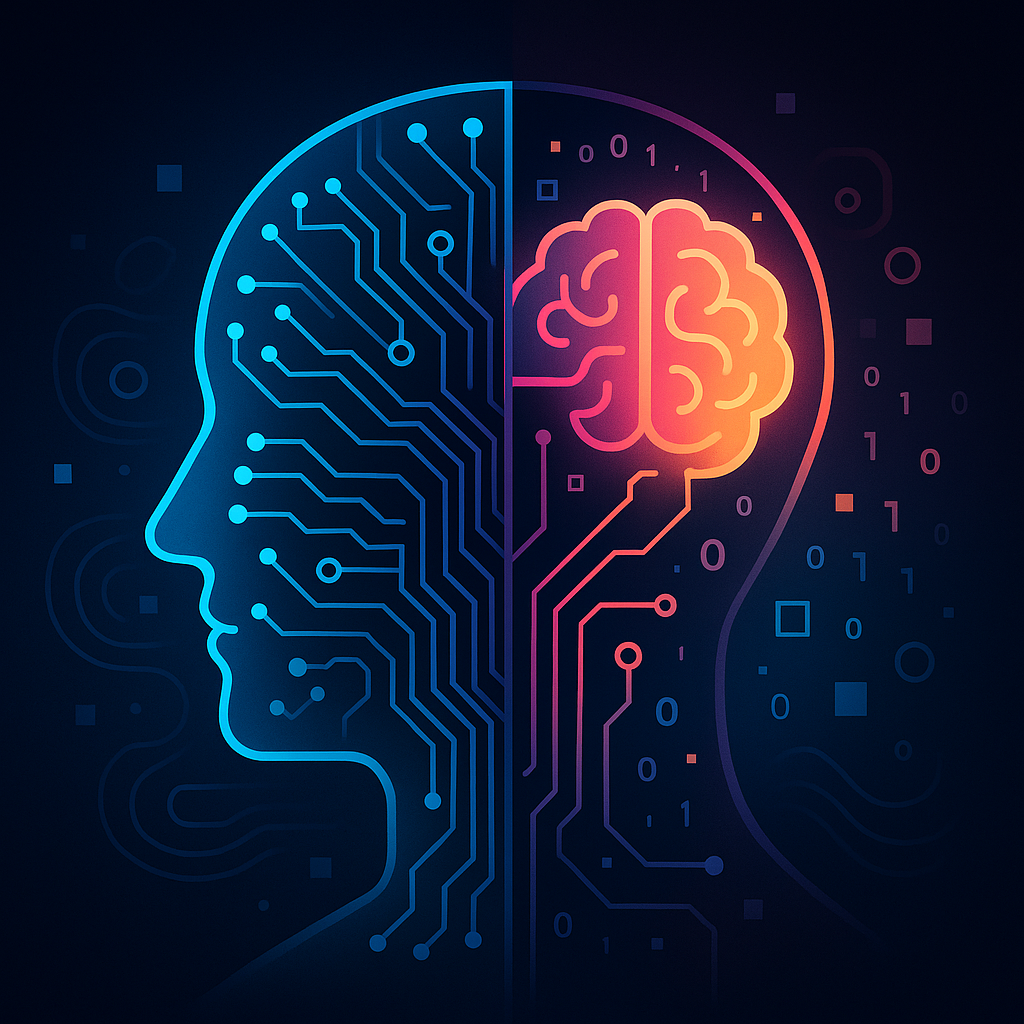
What if an AI could become its own sparring partner? UniGame turns unified multimodal models (ones that both understand and generate across text/images) into their own adversary to fix a core mismatch: understanding prefers compact signals, while generation prefers rich reconstructions.
This mismatch can misalign decisions and make models brittle. UniGame adds a lightweight "perturber" at the shared token interface so the generation branch actively probes and toughens the understanding branch—no architecture changes, under 1% extra parameters, and compatible with other post-training.
Reported results:
- Higher consistency: +4.6%
- Better understanding: +3.6%
- Better generation quality: +0.02
- Stronger robustness: +4.8% (NaturalBench, OOD) and +6.2% (AdVQA, adversarial)
Takeaway: adversarial self-play is a simple, general way to boost coherence, stability, and unified competence in future multimodal foundation models.
Paper: https://arxiv.org/abs/2511.19413v1 • Code: https://github.com/AIFrontierLab/UniGame
Paper: https://arxiv.org/abs/2511.19413v1
Register: https://www.AiFeta.com
#AI #Multimodal #MachineLearning #AdversarialLearning #Robustness #FoundationModels #GenerativeAI #ComputerVision