Test-Time Defense Against Adversarial Attacks via Stochastic Resonance of Latent Ensembles
Paper: http://arxiv.org/abs/2510.03224v1
Register: https://www.AiFeta.com

Paper: http://arxiv.org/abs/2510.03224v1
Register: https://www.AiFeta.com
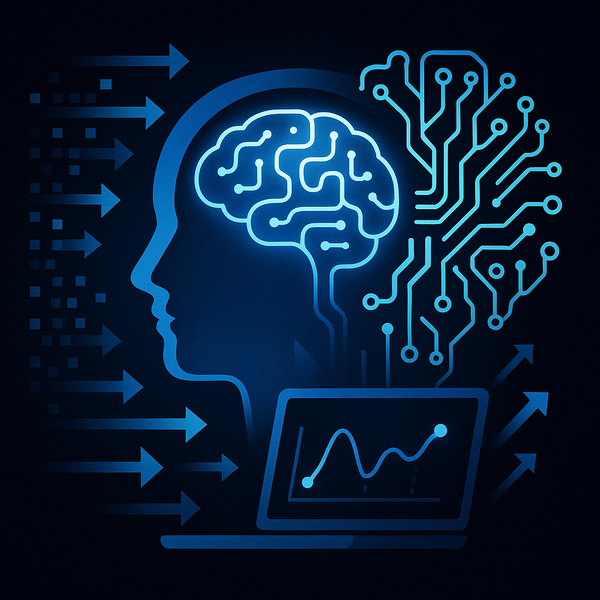
Kun hissi lähtee liikkeelle, ilmastointi säätää puhallusta tai robotti asettaa ruuvin paikalleen, taustalla on malli siitä, miten kone käyttäytyy. Niitä on perinteisesti rakennettu niin kuin hyviä reseptejä: asiantuntija kerää kokemusta, mittaa, kirjoittaa yhtälöitä ja virittää pitkään. Se vie aikaa – ja jokainen muutos laitteessa tai ympäristössä tarkoittaa uutta työtä. Viime vuosina
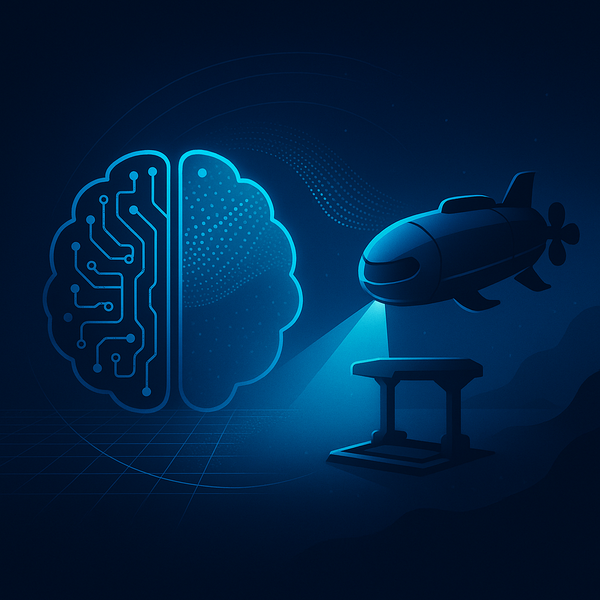
Kun robotti-imuri hivuttautuu kotona lataustelakkaansa, kukaan ei pidä hetkeä ihmeenä. Veden alla sama temppu on kaikkea muuta kuin arkipäivää – näkyvyys on huono, virtaukset nykivät, eikä satelliittipaikannus auta. Silti juuri tähän suuntaan on otettu askel, joka voi venyttää vedenalaisten robottien toimintamatkaa ja -aikaa. Vuosia on ajateltu, että vedenalaisen telakoitumisen kaltaiset tehtävät
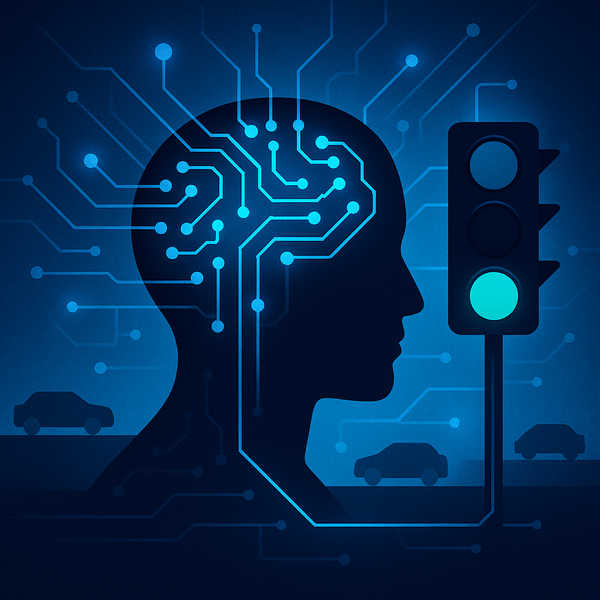
Kaikki tietävät hetken, kun seisot punaisissa valoissa keskellä yötä, eikä mihinkään suuntaan näy autoja. Tai aamun, jolloin tavallinen risteys puuroutuu yllättäen, koska osa kuljettajista päättääkin kääntyä eri suuntaan kuin yleensä. Liikennevalot ovat sääntöjen koneita, mutta liikenne elää kuin säätila. Pitkään ratkaisuksi on ehdotettu ”älykkäitä” valoja, jotka oppivat liikenteestä ja säätävät

Tutkimus viittaa siihen, että monessa kielimalliin perustuvassa agentissa ongelma ei ole älykkyyden puute vaan väärin jaettu palaute – ja että pieni, suunnan näyttävä vihje voi avata solmun. Oletko huomannut, että jokin älykäs chatbotti antaa itsevarman vastauksen, vaikka olisi pitänyt ensin kysyä tarkentava kysymys? Hetken se kyselee, sitten hiljenee – ja arvaa. Arjessa